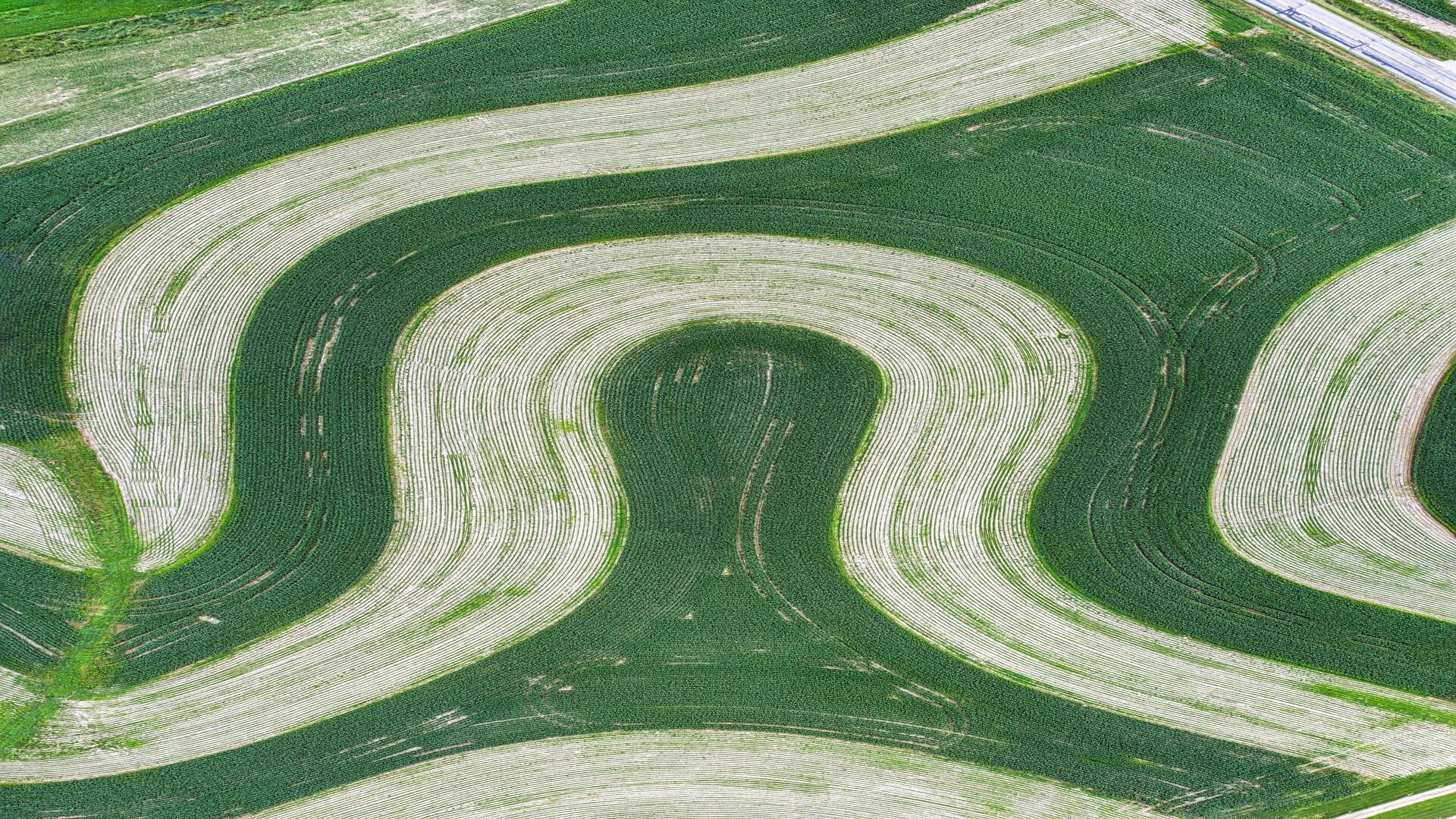
In 2024, farming faced intensified pressures as global CO₂ emissions surged to record highs, driven by fossil fuel use and land-related emissions. Although emissions have plateaued over the last decade, the levels remain far from meeting the Paris Agreement’s targets. One promising strategy to bridge this gap is carbon farming — a suite of agricultural practices that enhance soil’s ability to capture and retain carbon.
Carbon farming works by leveraging natural processes: plants absorb atmospheric CO₂ during photosynthesis, and as organic matter decomposes, microbes help store this carbon in the soil, especially as humus. This process, while not new, has gained renewed attention amid growing calls for sustainable climate action.
Capturing and Storing Carbon: CCS vs. Sequestration
Carbon capture and storage (CCS) and carbon sequestration are increasingly recognized as essential tools in the fight against climate change. CCS involves capturing CO₂ at the source and either reusing or storing it before it reaches the atmosphere. Sequestration, on the other hand, emphasizes long-term carbon storage, often in soils or geological formations.
Key Carbon Farming Techniques
Several regenerative agricultural practices fall under the carbon farming umbrella. These include cover cropping, reduced tillage, maintaining permanent grasslands, and converting croplands into pastures — all of which can boost carbon retention in soils. Agroforestry, which integrates trees into agricultural landscapes, offers similar benefits.
More technologically advanced approaches like biochar and enhanced rock weathering are also being explored. Biochar is a stable form of carbon created by pyrolyzing organic waste and adding it to soil, potentially locking away carbon for centuries. Enhanced weathering involves applying crushed silicate rocks to fields; these rocks chemically bind with CO₂ during rainfall, gradually sequestering it.
Carbon Farming in Europe
The European Union is actively incorporating carbon farming into its climate policies. Under the reformed Common Agricultural Policy (CAP), member states must devote a portion of agricultural subsidies to eco-friendly practices, including carbon sequestration. According to a European Parliament report cited by Euractiv, these initiatives could cut agricultural greenhouse gas emissions by as much as 30% by 2030.
Projects like the Carbon Farming CE initiative are helping to turn policy into practice. Backed by the European Commission, this effort spans nine countries and aims to create models, guidelines, and monitoring tools to support carbon farming across Central Europe. It also aligns with the EU’s emerging Carbon Removals and Carbon Farming regulation, which sets a voluntary framework for verifying climate benefits.
Challenges and Limitations
Despite its potential, carbon farming is not without its hurdles. Enhanced rock weathering, while scientifically promising, demands high energy input and remains costly. Biochar’s effectiveness varies by crop and soil type, making it less predictable. Additionally, soil carbon gains can be reversed if farming practices change, highlighting the need for long-term commitment.
Accurate carbon measurement also presents technical challenges. Soil composition can vary widely even within small plots, and sampling must be carefully timed and located to yield reliable results. Standardized methods are still being developed to ensure consistency.
As Euractiv notes, while carbon farming isn’t a silver bullet, it offers a diverse toolkit for reducing emissions and improving soil health. Its success will depend on sustained policy support, technological development, and farmer participation. In the broader climate strategy, carbon farming could become a vital piece of the puzzle.